Why proxy networks need clear rules for customer allocation and range rotation
 Marek Dvořák
June 16, 2026
Marek Dvořák
June 16, 2026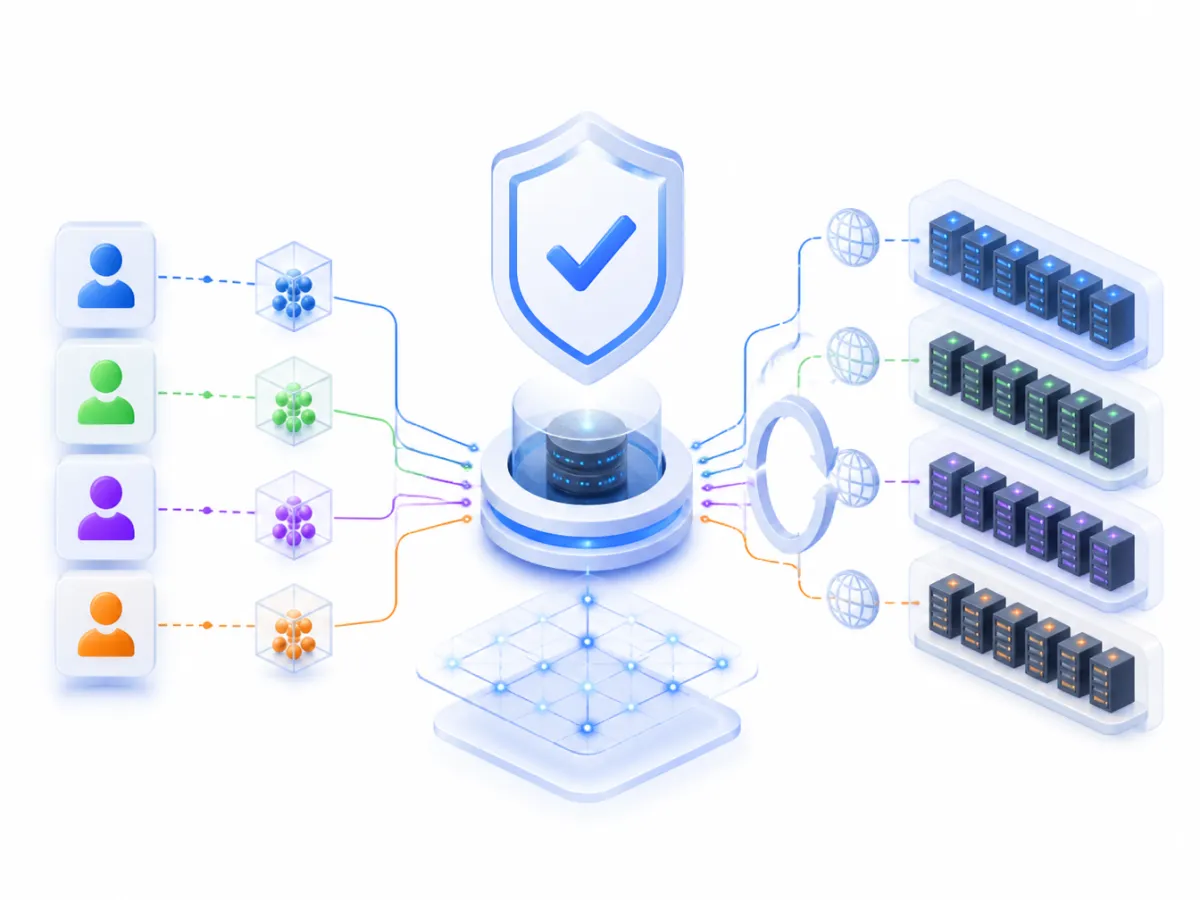
Proxy networks can have stable servers and routing, but still fail when allocation is unmanaged. Operators need written rules for range assignment, assignment duration, rotation triggers, and abuse handling.
Proxy customer allocation — is a controlled process that assigns IPv4 ranges, subnets, ports, and access rights to customers so a proxy network can separate traffic, enforce limits, trace incidents, and maintain address reputation. It helps providers reduce abuse overlap, avoid uncontrolled churn, and keep rotation aligned with routing, compliance, and customer contracts.
Why do proxy networks need clear proxy allocation rules?
Proxy allocation rules define how address space moves inside a proxy platform before an incident happens. They turn onboarding, subnet assignment, monitoring, and offboarding into a repeatable workflow.
Clear rules specify:
- which customers may use dedicated, shared, or semi-dedicated ranges;
- how ASN data, geolocation, rDNS, subnet size, and route origin are recorded;
- which traffic limits, protocols, authentication methods, and ports apply;
- when abuse reports, blocklist events, and complaints trigger quarantine.
This protects customers and the provider. Support, NOC, compliance, and sales teams use the same decision model.
How do proxy customer allocation rules protect IP reputation?
IP reputation can spread across a subnet, ASN, rDNS pattern, or traffic fingerprint. For this reason, proxy customer allocation rules should group customers by use case and risk level, not only by plan size.
A practical model separates stable enterprise users, high-volume data collection workloads, ad verification traffic, QA environments, trial accounts, and customers with prior abuse signals. Written proxy customer rules reduce cross-customer contamination. If a trial user triggers complaints, that traffic should not damage a pool used by long-term customers.
What should proxy range rotation policies include?
Network range rotation is not only a timed IP change. Rotation must balance availability, traceability, session stability, routing consistency, and reputation recovery. Over-rotation can look suspicious. Under-rotation can leave customers using blocked addresses.
Strong proxy range rotation policies define:
- triggers: abuse reports, blocklist hits, utilization limits, offboarding, or contract changes;
- frequency: sticky sessions, datacenter proxies, dedicated ranges, and shared pools need different intervals;
- quarantine: abused or reassigned ranges need a cooling-off period;
- logging: customer ID, timestamp, source port, assigned IP, and access method should be retained;
- escalation: repeated spam, malware, credential attack, or complaint signals must lead to review.
A provider also needs an IPv4 asset inventory with prefix size, route origin, RPKI/ROA status, upstream carrier, geolocation, rDNS conventions, and current customer assignment. When companies lease IPv4 addresses for proxy services, this inventory becomes part of operational control.
How does proxy ip range rotation affect routing and compliance?
Proxy ip range rotation changes more than the visible IP address. It can affect BGP announcements, geolocation databases, ACLs, API rate limits, firewall allowlists, and customer reports. A provider should not rotate ranges without checking whether the change breaks a technical or contractual expectation.
Important checks include:
- validating geolocation before delivery;
- checking route stability after allocation changes;
- keeping the previous holder history for each range;
- preventing complained-about IPs from returning too soon;
- preserving records for abuse desk and legal inquiries.
Rotation should improve reliability, not hide abusive behavior. Customers need a clear acceptable use policy, and the provider needs a defined response when a customer asks for faster rotation to bypass blocking.
Which risks appear without allocation governance?
Unmanaged allocation creates operational debt. Providers may lose track of range usage, give damaged addresses to good customers, and struggle to answer upstream or lessor requests.
Common risks include cross-customer reputation damage, slow abuse response, weak evidence in complaint disputes, higher churn, route leaks, wrong geolocation, broken allowlists, and legal exposure from incomplete identity or usage records.
How can providers build workable rules?
A proxy provider needs rules that operations teams can apply daily. The policy should connect commercial plans, technical assignments, and abuse handling.
A workable rule set includes:
- customer verification before allocation;
- pool classification by risk, geography, and use case;
- dedicated ranges for stable or sensitive customers;
- shared pools with stricter limits and monitoring;
- quarantine status for abused or offboarded ranges.
The same logic applies when a business expands capacity or decides to buy IPv4 blocks instead of relying only on short-term leases. Long-term control of address space makes governance more important, not less.
If your proxy network needs structured IPv4 capacity, documented allocation logic, or support for buying, leasing, selling, or leasing out address blocks, contact IPv4 Online. The team can align IPv4 transactions, technical checks, and legal steps with your allocation and rotation controls.