How to compare recurring IPv4 income with keeping addresses unused
 Giulia Marchetti
September 3, 2026
Giulia Marchetti
September 3, 2026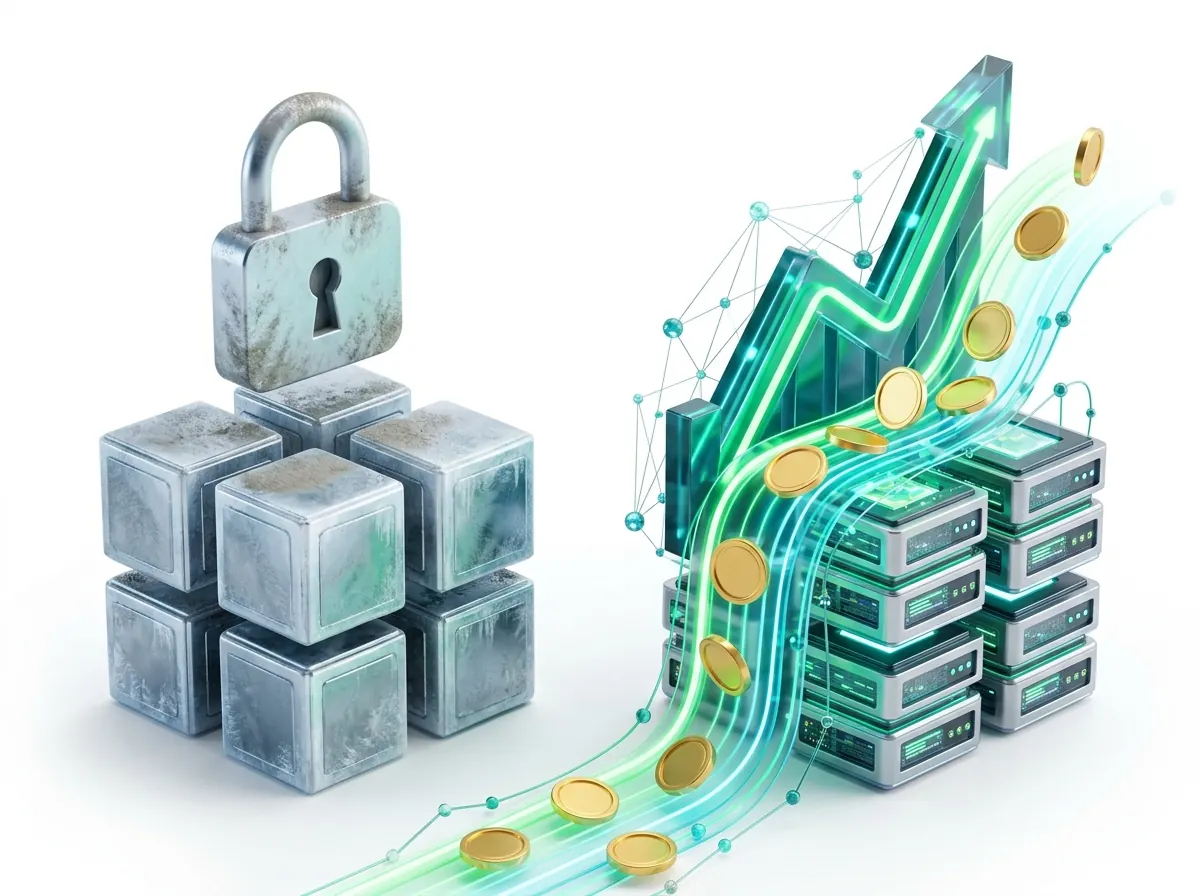 Unused IPv4 space can preserve flexibility, but it also carries an opportunity cost when the same block could generate recurring payments. The decision depends on internal demand, lease economics, operational risk, and the value of retaining access to the addresses.
IPv4 recurring income vs idle is a decision model that compares cash flow from leasing unused address space with the strategic value of keeping the same block unassigned. It helps address holders evaluate revenue, future capacity needs, management effort, and the risk of losing short-term access to an asset they may need later.
What should be included in the comparison?
A useful comparison uses the same block, evaluation period, and assumptions for both scenarios. The idle case is not cost-free if it leaves a valuable asset unproductive, while the lease case is not pure profit because contracts, monitoring, abuse handling, and vacancy periods create costs.
The analysis should include:
- expected lease price and contract duration;
- vacancy periods between lessees;
- technical, legal, and administrative costs;
- expected internal demand during the same period;
- replacement cost if capacity is needed before the lease ends.
This creates a common basis for comparing recurring cash flow with immediate internal availability.
How should recurring lease income be measured?
A lease produces recurring payments while ownership remains with the holder, but gross payments are not the same as economic return. The company should calculate expected revenue after transaction costs, monitoring, and periods when the block is not leased.
The model should use realistic occupancy rather than continuous utilization. It can include the signed term, renewal probability, and time needed to reconfigure or match the range with another lessee. This makes the revenue estimate more useful for budgeting.
What is the financial value of keeping IPv4 unused?
Keeping unused IPv4 may be justified when immediate availability has strategic value. A company expecting a platform launch, customer expansion, migration, or disaster-recovery requirement may avoid future acquisition costs by holding capacity now. The benefit is not cash income but the ability to deploy without waiting for a lease to end.
The value of holding should reflect the probability that the block will be needed, the expected date of that need, and the cost of obtaining equivalent capacity later. If internal demand is remote or uncertain, the economic case for leaving the block idle becomes weaker.
How should yield and return be calculated?
Yield should be based on net recurring income relative to the value assigned to the IPv4 asset. The calculation needs a consistent valuation date because market value and lease rates can change.
A practical return analysis can track:
- annualized net lease income;
- income as a percentage of estimated block value;
- expected vacancy and operating costs;
- value retained through continued ownership;
- cost of reclaiming or replacing capacity if plans change.
This produces a more realistic measure than using headline monthly rates alone.
When does keeping the block idle make more sense?
Idle capacity can be rational when the company has a credible internal use within the lease horizon or when replacing equivalent space would be difficult. The case is stronger when the block is already reserved for a customer commitment, migration, disaster recovery, or a specific regional design.
Indefinite reservation without an approved project creates opportunity cost. A block that remains unused for another planning cycle should be reviewed again instead of staying protected only because it was once classified as strategic.
How should risk change the income analysis?
The financial analysis should include risks that can reduce future asset value or complicate reuse. A lessee can affect reputation through prohibited traffic, while weak contract controls can delay return or create disputes. These risks should be reflected in expected return rather than ignored.
Before external use, holders should define permitted traffic, monitoring responsibilities, complaint handling, termination conditions, and post-lease quarantine. Companies that want recurring income without transferring ownership can lease out unused IPv4 space under a controlled contract model.
What should trigger a new decision?
The choice between leasing and holding should be reviewed when business conditions change. Customer growth, new infrastructure projects, market lease rates, acquisition prices, or reserve policy can alter the economics. A block suitable for monetization today may be needed for a new region later, while capacity reserved for a cancelled project may no longer justify zero income.
Useful review triggers include an approved capacity forecast, lease renewal date, major platform change, or material gap between expected and realized income.
How can idle IPv4 become a controlled income decision?
When an address holder needs to compare recurring lease income with the value of keeping IPv4 unused, IPv4 Online can support lease-out, sale, acquisition, and related transaction scenarios together with technical and documentation coordination. This helps companies evaluate monetization without separating financial return from future capacity needs and asset control.