Why IPv4 rent is useful for migration overlap between old and new systems
 Jonas Nielsen
June 16, 2026
Jonas Nielsen
June 16, 2026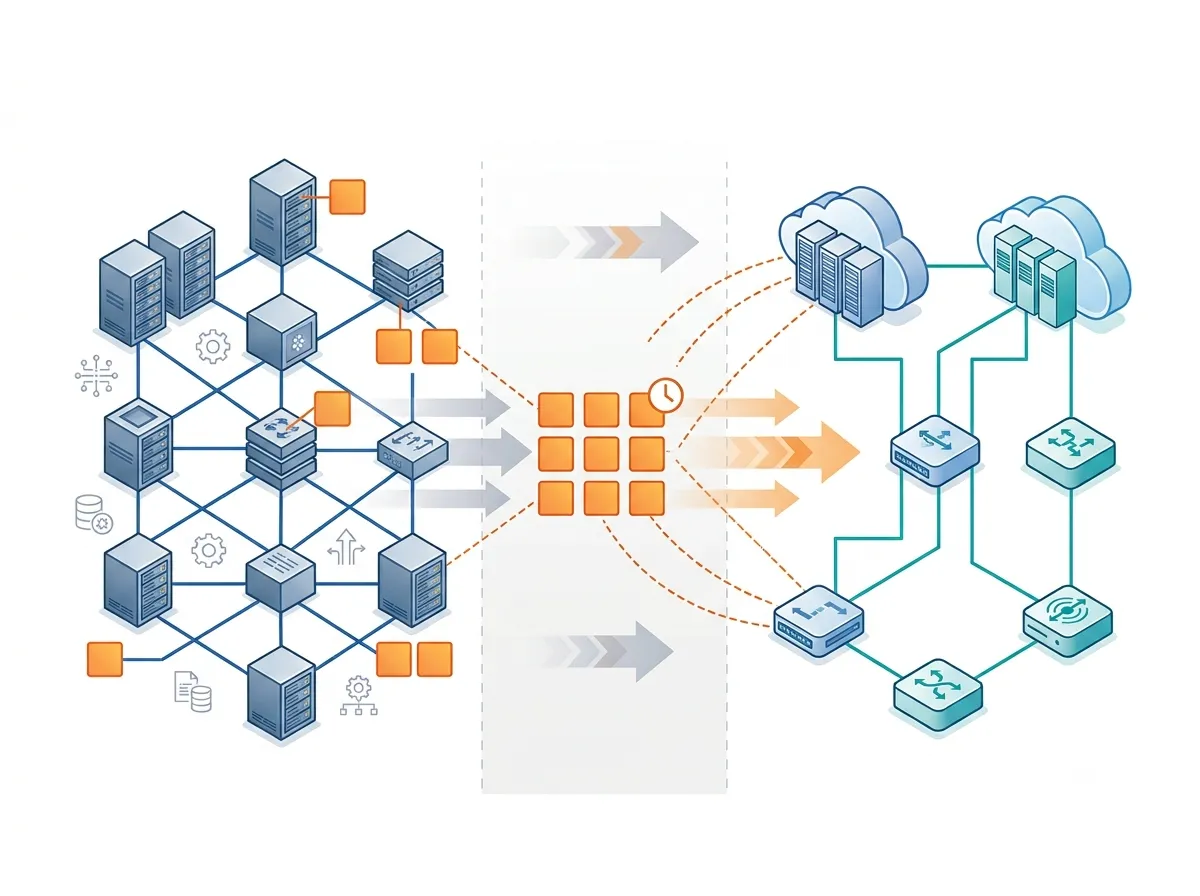
System migration rarely happens in one switch. Old platforms, new environments, customer endpoints, partner allowlists, and monitoring tools often need to run together for a defined period. Temporary IPv4 capacity keeps this overlap controlled instead of forcing a rushed cutover.
Ipv4 rent for migration overlap is a temporary address model that gives teams routed IPv4 capacity while old and new systems operate in parallel. It helps infrastructure teams test cutovers, move traffic in stages, maintain rollback paths, and avoid permanent address purchases before the final architecture is stable.
Why does ipv4 migration overlap need planned address capacity?
Ipv4 migration overlap appears when a company cannot retire the old environment immediately after the new one is deployed. This happens during data center moves, cloud migration, platform rebuilds, proxy redesign, VPN gateway changes, or customer portal replacement.
Teams may need separate public addresses for:
- old production endpoints that still serve customers;
- new application nodes, load balancers, and API gateways;
- staging, QA, and pre-production validation;
- rollback paths if the new system fails;
- partner integrations that require allowlist updates.
Without extra address capacity, teams may reuse ranges too early and create routing conflicts, broken sessions, or unclear ownership.
How does rent ipv4 migration support phased cutovers?
Rent ipv4 migration capacity lets teams run parallel paths without committing to a permanent block. The rented range can support temporary ingress, proxy exits, VPN endpoints, test APIs, or customer migration pools during the overlap period.
Before teams rent IPv4 addresses, they should define the migration window, traffic volume, permitted use, routing model, and return date. This keeps temporary capacity tied to the migration plan rather than turning it into unmanaged production infrastructure.
What should teams prepare for system migration ipv4 planning?
System migration ipv4 planning should connect network design with application delivery. A range is not ready only because it can be routed. It must be mapped to services, owners, monitoring, security controls, and customer communication.
A practical preparation checklist includes:
- list old and new endpoints that need public IPv4;
- map DNS records, TTLs, rDNS, certificates, and API references;
- confirm BGP, route objects, ROA status, and upstream acceptance;
- update firewall, WAF, VPN, ACL, and partner allowlist rules;
- label rented ranges in IPAM, CMDB, logs, and dashboards;
- define rollback routes, traffic thresholds, and exit criteria.
This checklist gives DevOps, network, security, and support teams the same migration view.
Why does migration overlap rented ipv4 addresses reduce cutover risk?
Migration overlap rented ipv4 addresses reduce cutover risk because teams can move traffic gradually. Low-risk workloads can move first. Customer-facing or regulated services can move later after monitoring proves stability.
Overlap also gives time to detect hidden dependencies. Old scripts, webhook targets, third-party portals, payment systems, and enterprise customer allowlists may still reference the previous range. Parallel address capacity gives teams time to find and remove these dependencies before shutdown.
How should teams manage ipv4 rent during system migration?
Ipv4 rent during system migration should have strict lifecycle control. The lease should not stay open without a reason after the old system is retired. Every temporary prefix needs an owner, purpose, start date, end date, and cleanup checklist.
Useful controls include:
- change tickets for every assignment;
- traffic limits for test and pilot workloads;
- monitoring of latency, errors, blocklists, and abuse signals;
- customer notice for dedicated endpoints;
- weekly review of remaining old-system dependencies;
- final withdrawal of routes and DNS references.
If migration reveals permanent demand, the company may later buy IPv4 blocks for stable inventory instead of extending temporary capacity without a plan.
What risks appear with rented ipv4 old new systems?
Rented ipv4 old new systems projects create risk when both environments remain active but ownership is unclear. A security team may see the rented prefix as temporary, while a product team starts using it for a long-term customer service.
Common risks include stale DNS records, expired lease terms, missing rDNS cleanup, unmanaged firewall exceptions, wrong geolocation, and customer traffic left on the temporary path. These risks grow when IPAM and monitoring do not show which system owns each address.
How should teams close the overlap period?
The overlap period should end with evidence, not assumptions. Teams should prove that traffic has moved, old endpoints are quiet, DNS records are updated, allowlists are changed, and logs no longer show production use of the rented range.
The closing file should include route withdrawal notes, DNS exports, firewall changes, monitoring results, support notices, and confirmation of lease return. This protects the company if traffic appears later or if a billing dispute arises.
If you need to ensure that your old and new systems work together during your migration, you can contact IPv4 Online to structure rented IPv4 capacity, lease timing, and technical documentation. This helps teams keep the overlap period measurable, reversible, and aligned with the final infrastructure plan.