Lease clean IPv4 for hosting growth
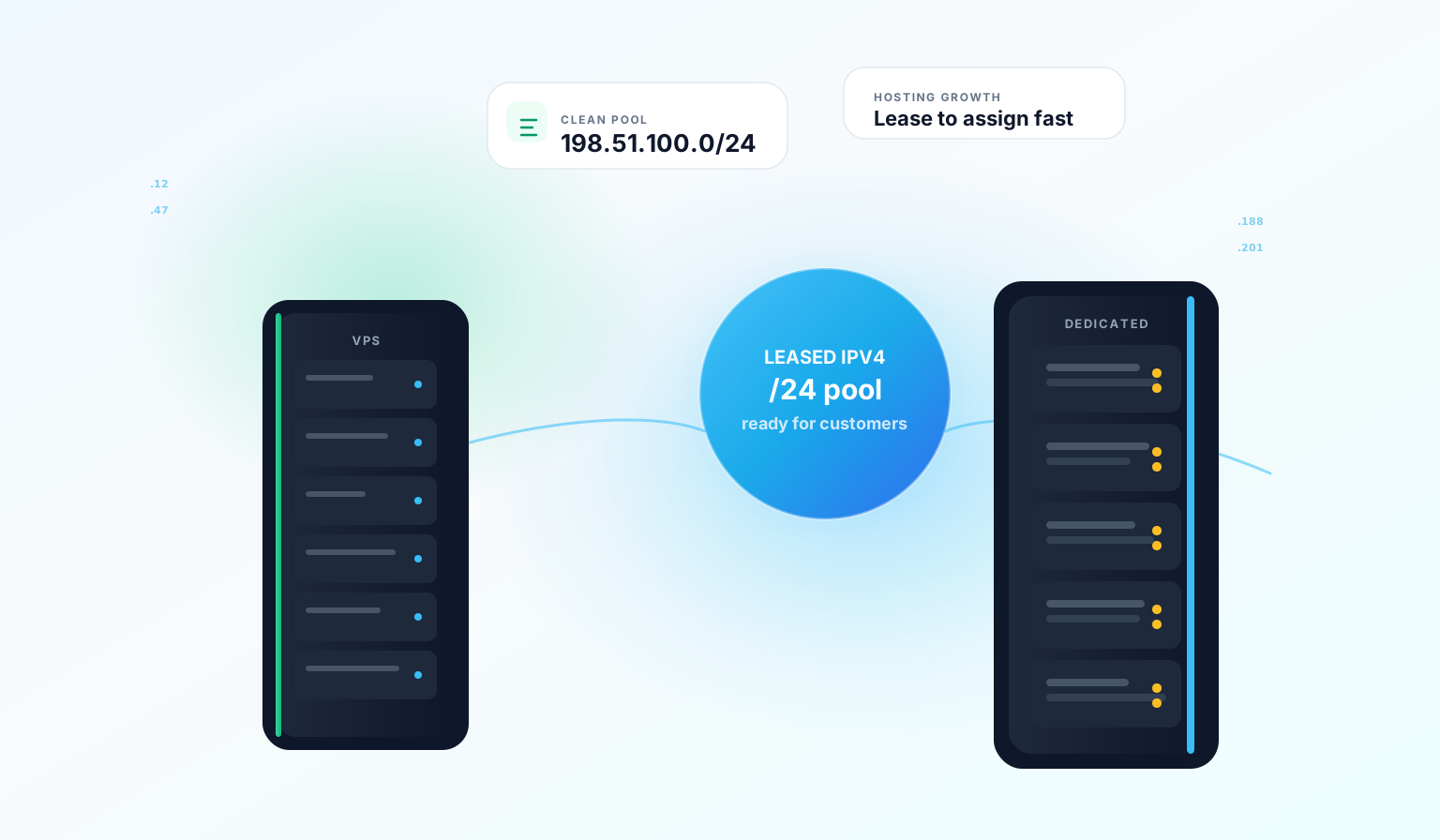
Need more public IPv4 for VPS, dedicated servers, reseller pools, or hybrid cloud hosting? Leasing fits when you need address space soon but buying would take too long, and you would rather keep that cash for racks, transit, and servers.
Leasing vs owning an IP block
Pick a prefix size: cost of owning the block vs monthly lease.
256 addresses (full prefix)
Buy (est. one-time)
$7680
Lease (est. / month)
$102
A practical address strategy for hosting is rarely just buy or rent
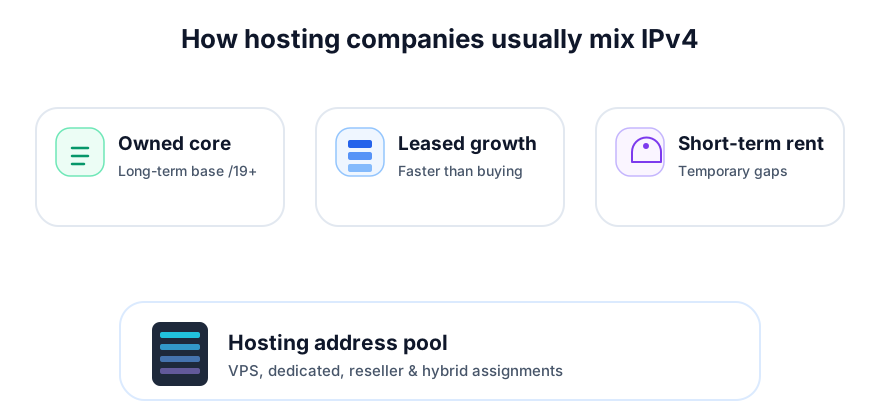
Most hosting providers keep owned IP-space for the core, sign leases once growth is obvious, and rent short-term when something spikes. If a client needs a additional IPv4 addresses this week, buying is too slow. Month-to-month rentals work for a short gap, but they are a hassle to renew and keep track of. A lease with a fixed term is usually simpler.
Where leasing tends to matter for hosting
VPS and cloud hosting
Dedicated servers
Reseller and multi-tenant pools
Regional expansion
Fast onboarding for large new customers
Migration and buffer capacity
Typical case: a new customer wants a large IPv4 pool immediately
A signed deal needs dozens or hundreds of public IPs faster than a normal purchase timeline usually allows. Running a full buy-and-transfer for every short project is a lot of overhead, and owning a /24 is a big step when the need might not last. A fixed-term lease gets you through the busy stretch; if demand settles in, you can buy or extend when it feels right.
What our platform gives a hosting provider
Browse what is listed instead of chasing brokers by email and waiting on opaque replies. Filter by size, region, term, and price, then shortlist blocks your NOC team can actually route.
If the handover is not self-serve, we work through LOA, ROA, RPKI, routing prep, reputation checks, and go-live with you until the prefix is ready to announce on your network.
Frequently asked questions
When should hosting providers lease IPv4 vs buy addresses?
What workloads usually need leased IPv4 in hosting?
When do hosting providers need leased IPv4 most urgently?
What block size is typical for a hosting company?
Can leased IPv4 be used for BYOIP or hybrid cloud hosting?
What matters besides price when choosing a block?
Need IPv4 for hosting?
Tell us the block size, region, and workload. We'll help you compare lease options for VPS, dedicated servers, reseller pools, or hybrid cloud growth.